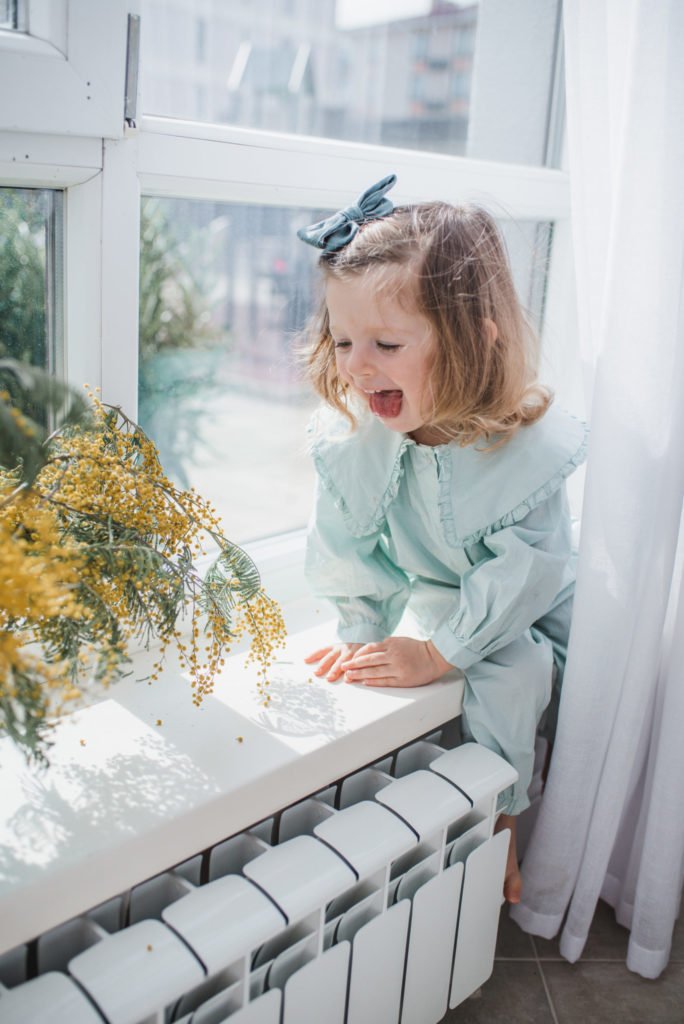
Why Is My House Hot? Understanding Thermal Dynamics and Sustainable Solutions
Excessive indoor heat creates more than just physical discomfort; it directly impacts sleep hygiene, cognitive performance, and the physiological safety of vulnerable family members. Identifying the specific reasons behind rising interior temperatures is essential for maintaining a healthy, sustainable living environment that supports natural wellness and child development.
Identifying the Primary Drivers of Indoor Heat Accumulation
When homeowners ask why is my house hot, the investigation often reveals a combination of external environmental pressures and internal heat generation. Solar heat gain through windows is a leading culprit, where short-wave radiation enters the home and is absorbed by floors and furniture, re-radiating as long-wave infrared heat that cannot easily escape through glass. This greenhouse effect is frequently exacerbated by internal heat loads from high-performance electronics, kitchen appliances, and even inefficient lighting systems that convert energy into heat rather than light. In 2026, as climate patterns shift toward more frequent extreme heat events, the cumulative impact of these heat sources can overwhelm standard cooling strategies, leading to a persistent state of discomfort that affects the entire household’s daily rhythm.
The Role of Building Science and Thermal Resistance
The structural integrity of a home’s thermal envelope determines how effectively it resists the movement of heat from the outdoors to the interior. Conduction occurs when heat moves through solid materials like wall studs, roof shingles, and siding; if a home lacks adequate high-performance insulation or suffers from thermal bridging, heat will inevitably penetrate the living space. In many residences built before 2026, the absence of a continuous air barrier allows warm air to infiltrate through gaps around windows, doors, and electrical outlets, a process known as convection. Understanding these thermodynamic principles is crucial because it shifts the focus from simply running an air conditioner to addressing the fundamental weaknesses in the building’s shell, which is a more sustainable and cost-effective approach to long-term climate control.
Evaluating HVAC Efficiency and Airflow Limitations
A cooling system that is improperly sized or poorly maintained will fail to regulate temperatures effectively, leading to stagnant, warm air pockets throughout the home. Mechanical failures such as depleted refrigerant levels, clogged evaporator coils, or obstructed air filters force the system to work harder while producing less cooling output, often resulting in short-cycling or continuous operation without a drop in temperature. Furthermore, the design of the ductwork plays a significant role; leaks in the distribution system can lose up to thirty percent of conditioned air to unconditioned spaces like attics or crawlspaces. In 2026, smart diagnostic tools allow for the precise measurement of air exchange rates, revealing whether a system is truly underperforming or if the thermal load of the house has simply exceeded the original design capacity of the HVAC unit.
Prioritizing Child Health and Thermal Comfort
Maintaining a stable indoor temperature is a critical component of green parenting and child health, as infants and young children are significantly more susceptible to heat-related illnesses than adults. Because children have a higher surface-area-to-mass ratio and less developed sweat glands, they can overheat rapidly, which has been linked to increased risks of sleep disturbances and more severe respiratory issues. Ensuring the nursery and common play areas remain cool is not merely a matter of comfort but a preventative health measure that supports the child’s metabolic regulation and immune function. By focusing on evidence-led cooling strategies, parents can create a sanctuary that protects their children from the adverse effects of heat stress while adhering to the principles of natural wellness and sustainable living.
Strategic Passive Cooling and Behavioral Interventions
Reducing indoor temperatures does not always require mechanical intervention; passive cooling techniques offer a low-impact, sustainable alternative that aligns with zero-waste and eco-friendly lifestyles. Implementing high-reflectivity window treatments or external shading devices like awnings and deciduous trees can block up to eighty percent of solar heat gain before it even enters the home. Additionally, practicing night flushing—opening windows during the cooler evening hours of 2026 to purge stored heat from thermal mass—can significantly lower the baseline temperature for the following day. These behavioral shifts, combined with the use of ceiling fans to create a wind-chill effect, allow for higher thermostat settings without sacrificing the perceived comfort of the occupants, thereby reducing the home’s overall carbon footprint.
Implementing Advanced Structural Modifications for 2026
For those seeking a permanent resolution to chronic overheating, investing in advanced building materials and smart home technology provides the most robust defense against rising temperatures. Installing low-emissivity (low-E) glass or applying specialized solar films can drastically reduce the solar heat gain coefficient of existing windows without sacrificing natural light. In 2026, many sustainable homes are also adopting phase-change materials in wall assemblies, which absorb heat during the day and release it slowly at night, effectively leveling out temperature fluctuations. Upgrading to a modern heat pump system provides high-efficiency cooling and dehumidification, which is essential because high humidity levels prevent the body’s natural cooling through evaporation, making a room feel several degrees hotter than the thermometer suggests.
Conclusion: Achieving a Balanced and Sustainable Indoor Climate
Resolving the question of why a house remains hot requires a holistic view of building science, mechanical efficiency, and lifestyle choices. By addressing insulation gaps, optimizing airflow, and utilizing passive cooling strategies, families can create a resilient home environment that prioritizes child health and environmental responsibility. Take the first step today by conducting a home energy audit to identify thermal leaks and implement the sustainable changes necessary for a cooler, healthier 2026.
How do I know if my insulation is causing the heat?
Insulation issues are typically identified through a combination of touch tests and professional thermographic imaging. If your interior walls feel hot to the touch during the afternoon, heat is likely conducting through the structure due to insufficient R-values or gaps in the insulation layer. In 2026, homeowners use infrared cameras to spot thermal bridges where heat bypasses insulation entirely, indicating that a structural upgrade is necessary to maintain a stable and cool indoor climate.
Can high humidity make my house feel hotter than it is?
High humidity significantly increases the “real feel” temperature because moisture-saturated air prevents the evaporation of sweat from the skin, which is the body’s primary cooling mechanism. When indoor humidity levels exceed fifty-five percent, the environment feels oppressive and stagnant even if the air temperature is relatively low. Utilizing a dedicated dehumidifier or a high-efficiency HVAC system in 2026 can remove excess moisture, allowing for better thermal comfort at higher ambient temperatures.
Which window treatments are most effective for heat reduction?
Reflective cellular shades and heavy thermal curtains with white backings are among the most effective internal treatments for blocking solar radiation. For maximum efficiency, external solutions like solar screens or operable shutters are superior because they stop heat before it passes through the glass. In 2026, smart blinds that automatically close during peak solar hours are widely recommended for maintaining a cool home while reducing the reliance on mechanical air conditioning systems.
Why is my upstairs significantly hotter than the ground floor?
The temperature disparity between floors is primarily caused by the natural rise of warm air, a process known as the stack effect, and the proximity of the upper floor to a hot roof. If the attic is not properly ventilated or insulated, it acts as a massive radiator, pushing heat down into the bedrooms below. Ensuring the attic has sufficient ridge and soffit vents, along with a high R-value insulation barrier, is essential for balancing temperatures across multiple levels of a home.
What is the ideal indoor temperature for a baby’s nursery in 2026?
The ideal temperature for a baby’s nursery is generally between 20 and 22 degrees Celsius (68 to 72 degrees Fahrenheit) to ensure safety and optimal sleep quality. Maintaining this range prevents overheating, which is a known risk factor for various infant health complications. Using a reliable digital thermometer and ensuring consistent airflow through the room helps parents monitor these conditions accurately, providing a secure and comfortable environment for the child’s development.
===SCHEMA_JSON_START===
{
“meta_title”: “Why Is My House Hot? 6 Causes and 2026 Solutions”,
“meta_description”: “Discover why your house is hot and learn practical, sustainable cooling strategies for 2026. Improve child health and home efficiency with our expert guide.”,
“focus_keyword”: “why is my house hot”,
“article_schema”: {
“@context”: “https://schema.org”,
“@type”: “Article”,
“headline”: “Why Is My House Hot? 6 Causes and 2026 Solutions”,
“description”: “Discover why your house is hot and learn practical, sustainable cooling strategies for 2026. Improve child health and home efficiency with our expert guide.”,
“datePublished”: “2026-01-01”,
“author”: { “@type”: “Organization”, “name”: “Site editorial team” }
},
“faq_schema”: {
“@context”: “https://schema.org”,
“@type”: “FAQPage”,
“mainEntity”: [
{
“@type”: “Question”,
“name”: “How do I know if my insulation is causing the heat?”,
“acceptedAnswer”: { “@type”: “Answer”, “text”: “Insulation issues are typically identified through a combination of touch tests and professional thermographic imaging. If your interior walls feel hot to the touch during the afternoon, heat is likely conducting through the structure due to insufficient R-values or gaps in the insulation layer. In 2026, homeowners use infrared cameras to spot thermal bridges where heat bypasses insulation entirely, indicating that a structural upgrade is necessary to maintain a stable and cool indoor climate.” }
},
{
“@type”: “Question”,
“name”: “Can high humidity make my house feel hotter than it is?”,
“acceptedAnswer”: { “@type”: “Answer”, “text”: “High humidity significantly increases the “real feel” temperature because moisture-saturated air prevents the evaporation of sweat from the skin, which is the body’s primary cooling mechanism. When indoor humidity levels exceed fifty-five percent, the environment feels oppressive and stagnant even if the air temperature is relatively low. Utilizing a dedicated dehumidifier or a high-efficiency HVAC system in 2026 can remove excess moisture, allowing for better thermal comfort at higher ambient temperatures.” }
},
{
“@type”: “Question”,
“name”: “Which window treatments are most effective for heat reduction?”,
“acceptedAnswer”: { “@type”: “Answer”, “text”: “Reflective cellular shades and heavy thermal curtains with white backings are among the most effective internal treatments for blocking solar radiation. For maximum efficiency, external solutions like solar screens or operable shutters are superior because they stop heat before it passes through the glass. In 2026, smart blinds that automatically close during peak solar hours are widely recommended for maintaining a cool home while reducing the reliance on mechanical air conditioning systems.” }
},
{
“@type”: “Question”,
“name”: “Why is my upstairs significantly hotter than the ground floor?”,
“acceptedAnswer”: { “@type”: “Answer”, “text”: “The temperature disparity between floors is primarily caused by the natural rise of warm air, a process known as the stack effect, and the proximity of the upper floor to a hot roof. If the attic is not properly ventilated or insulated, it acts as a massive radiator, pushing heat down into the bedrooms below. Ensuring the attic has sufficient ridge and soffit vents, along with a high R-value insulation barrier, is essential for balancing temperatures across multiple levels of a home.” }
},
{
“@type”: “Question”,
“name”: “What is the ideal indoor temperature for a baby’s nursery in 2026?”,
“acceptedAnswer”: { “@type”: “Answer”, “text”: “The ideal temperature for a baby’s nursery is generally between 20 and 22 degrees Celsius (68 to 72 degrees Fahrenheit) to ensure safety and optimal sleep quality. Maintaining this range prevents overheating, which is a known risk factor for various infant health complications. Using a reliable digital thermometer and ensuring consistent airflow through the room helps parents monitor these conditions accurately, providing a secure and comfortable environment for the child’s development.” }
}
]
}
}
===SCHEMA_JSON_END===