Discover Eco-Friendly Baby Essentials: Your Guide to Natural, Sustainable, and Non Toxic Baby Products
In a world increasingly aware of environmental issues, eco-friendly baby essentials have become a priority for many parents. This guide explores the best natural baby products available, focusing on safety, sustainability, and the well-being of both children and the planet. Eco-conscious parents are often faced with the challenge of choosing products that are not only safe for their little ones but also minimize environmental impact. By understanding the benefits of eco-friendly options, parents can make informed decisions that align with their values. This article will cover various aspects of eco-friendly baby essentials, including natural products, sustainable gear, organic clothing, non-toxic items, and practical green parenting tips.
What Are the Best Natural Baby Products for Eco-Conscious Parents?
Natural baby products are those made from organic, non-toxic materials that are safe for infants and the environment. These products often include items like organic cotton clothing, bamboo diapers, and natural skincare products. The benefits of using eco-friendly products extend beyond safety; they also contribute to a healthier planet by reducing waste and chemical exposure. Some of the top natural baby products include:
- Organic Cotton Clothing: Soft, breathable, and free from harmful chemicals, organic cotton is a safe choice for babies’ sensitive skin.
- Bamboo Diapers: Biodegradable and highly absorbent, bamboo diapers are a sustainable alternative to traditional disposable diapers.
- Natural Skincare Products: Made from plant-based ingredients, these products are gentle on the skin and free from synthetic additives.
For parents looking to make eco-friendly choices, Information Hub offers a range of sustainable baby products that align with these values.
How to Choose Organic Baby Essentials for Safety and Sustainability
When selecting organic baby essentials, it’s crucial to consider several factors to ensure both safety and sustainability. First, look for certifications that indicate the product meets organic standards, such as the Global Organic Textile Standard (GOTS). Additionally, consider the materials used; organic cotton, bamboo, and recycled materials are excellent choices. Brand reputation also plays a significant role; choose brands known for their commitment to sustainability and ethical practices. By prioritizing these criteria, parents can confidently select products that are both safe for their children and beneficial for the environment.
Which Sustainable Baby Gear Options Support Green Parenting?
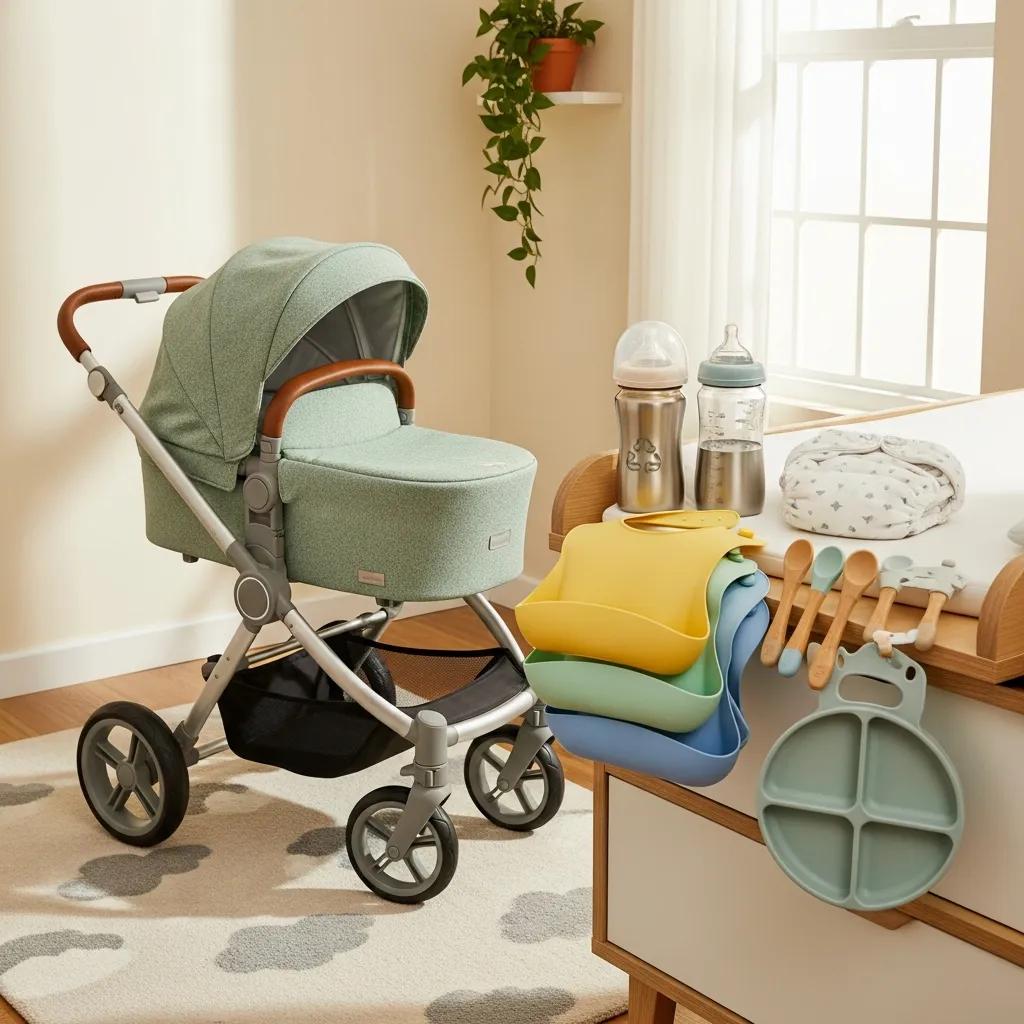
Sustainable baby gear encompasses a variety of products designed to minimize environmental impact while providing functionality and safety for infants. These options include items made from recycled materials, biodegradable products, and those designed for longevity. The benefits of sustainable baby gear are manifold, as they not only reduce waste but also often feature safer materials for children.
Top Reusable Feeding Products and Their Benefits
Reusable feeding products, such as stainless steel bottles and silicone bibs, offer numerous advantages for eco-conscious parents. These products are durable, easy to clean, and significantly reduce single-use plastic waste. By investing in high-quality reusable items, parents can save money in the long run while contributing to a healthier planet. Additionally, many reusable feeding products are designed with child safety in mind, ensuring that they are free from harmful chemicals.
How to Create an Eco-Friendly Nursery with Sustainable Materials
Creating an eco-friendly nursery involves selecting sustainable materials and products that promote a healthy environment for your baby. Start by choosing furniture made from reclaimed wood or certified sustainable sources. Opt for non-toxic paints and finishes to ensure a safe atmosphere. Incorporating organic textiles, such as bedding and curtains made from organic cotton or linen, can further enhance the sustainability of the nursery. By making these thoughtful choices, parents can create a nurturing space that reflects their commitment to sustainability.
What Makes Eco Baby Clothing Truly Organic and Ethical?
Eco baby clothing is defined by its use of organic materials and ethical production practices. This type of clothing is typically made from organic cotton, bamboo, or other sustainable fibers that are grown without harmful pesticides or chemicals. The importance of ethical sourcing cannot be overstated; it ensures that workers are treated fairly and that the production process is environmentally responsible.
Further emphasizing the importance of chemical-free production, research highlights the specific benefits and processing considerations for organic cotton.
Organic Cotton: Non-Toxic & Sustainable Baby Fabric
Cotton cultivated without using genetically modified (GMO) seeds, harmful pesticides, synthetic fertilisers, and chemicals is termed as “organic cotton.” Organic cotton farming maintains healthy working environment for farmers, clean freshwater sources near farms and reduces soil erosion and other negative impacts on the ecosystem. Organic cotton is gaining wide acceptance in manufacturing of premium fabrics, due to its zero toxicity and being completely natural origin. During the chemical wet processing, various hazardous chemicals are used. So, during processing of organic cotton, manufacturers must ensure avoiding toxic substances such as petroleum scours, formaldehyde, chlorine bleaches, heavy metal-containing chemicals, etc. The use of natural alternatives and enzymatic treatments as partial substitutes to chemical wet processing is the need of the hour. These eco-friendly options are used to minimise and remove the hazardous effects occurring in conventional cotton fabric processing.
Organic cotton: fibre to fashion, VK Dhange, 2022
Understanding Certifications for Organic Baby Clothes
Certifications play a crucial role in identifying truly organic baby clothing. Common certifications include GOTS, OEKO-TEX, and USDA Organic, each indicating compliance with specific organic standards. These certifications ensure that the clothing is made from organic materials and produced under safe and fair labor conditions. Parents should look for these labels when shopping to ensure they are making responsible choices.
Comparing Brands Offering Chemical-Free and Ethical Baby Apparel
When selecting eco-friendly baby clothing, it’s essential to compare brands based on their sustainability practices and product offerings. Some brands are known for their commitment to using chemical-free materials and ethical labor practices. Researching brand reputations and reading customer reviews can help parents make informed decisions. By choosing brands that prioritize sustainability, parents can support ethical practices while dressing their children in safe, stylish clothing.
How to Identify and Choose Non Toxic Baby Items for Your Child?
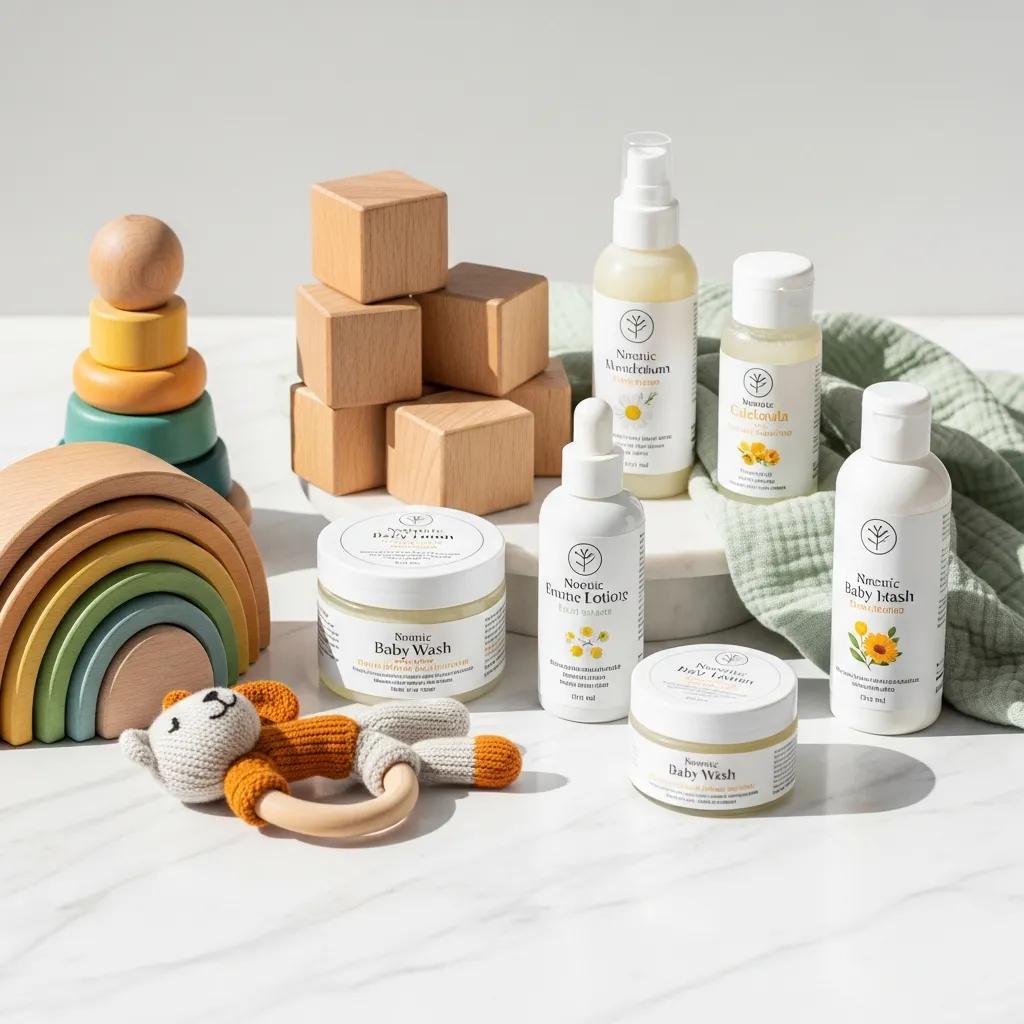
Non-toxic baby items are essential for ensuring the safety and health of infants. These products are free from harmful chemicals, such as phthalates, BPA, and lead, which can pose risks to children’s health. Identifying non-toxic items involves looking for certifications and labels that indicate safety standards have been met.
Understanding the specific dangers of such chemicals, research delves into the toxicity of phthalates and methods for ensuring their absence in baby textile products.
Phthalate Toxicity & Safety in Baby Textile Products
Phthalates are one of the performance parameters that have recently raised concerns about both human health and the environment. Phthalates are a type of plasticizer that increases the space between polymer chains, increasing flexibility, and durability. It is a man-made chemical that primarily causes endocrine disorders, decreased fertility, cancer, and diabetes. Based on quality testing, this review seeks to comprehend the toxicity of phthalates in textile products. Quality control is defined as the guidelines that are designed to meet the product’s specific required standard. In textile products such as garments, the quality control method that is opted for phthalates is CPSC-CH-C1001-09.4. This method is divided into three sections: sample preparation, extraction, and analysis. This method is used to determine the concentration of phthalates in consumer products like coating, children’s products, and polymers.
Quality Control Methods to Check Phthalates Toxicity in Textile Products, D Gupta, 2023
Key Features of Non Toxic Toys and Skincare Products
When selecting non-toxic toys and skincare products, parents should look for several key features. First, ensure that toys are made from natural materials, such as wood or organic cotton, and are free from harmful chemicals. For skincare products, choose those labeled as hypoallergenic and free from synthetic fragrances and dyes. Additionally, look for certifications from reputable organizations that verify the safety of the products. By prioritizing these features, parents can create a safe environment for their children.
Why Biodegradable Diapers Are a Sustainable Choice
Biodegradable diapers are an excellent sustainable choice for eco-conscious parents. Unlike traditional disposable diapers, which can take hundreds of years to decompose, biodegradable options break down more quickly and are made from renewable resources. This significantly reduces landfill waste and environmental impact. Many biodegradable diapers also feature natural materials that are gentler on a baby’s skin, making them a win-win for both the planet and your child.
What Are Essential Green Parenting Tips for Raising Eco-Conscious Children?
Raising eco-conscious children involves instilling values of sustainability and environmental responsibility from a young age. Parents can lead by example, demonstrating eco-friendly practices in daily life. Simple actions, such as reducing waste, recycling, and using sustainable products, can have a lasting impact on children’s attitudes toward the environment.
Practical Steps to Incorporate Sustainability in Daily Parenting
Incorporating sustainability into daily parenting can be achieved through various practical steps. Here are some actionable tips:
- Use Reusable Products: Opt for reusable diapers, bottles, and utensils to minimize waste.
- Teach Recycling: Involve children in recycling efforts to help them understand the importance of waste reduction.
- Choose Eco-Friendly Toys: Select toys made from sustainable materials to promote environmental awareness.
By implementing these practices, parents can foster a sense of responsibility and care for the planet in their children.
How Community Stories Inspire Ethical Baby Product Choices
Community stories play a vital role in shaping ethical baby product choices. Sharing experiences and testimonials from other parents can inspire individuals to make more sustainable decisions. Engaging with local parenting groups or online communities can provide valuable insights into the best eco-friendly products and practices. By learning from others, parents can feel empowered to make choices that align with their values and contribute to a healthier planet.
| Product Type | Material | Sustainability Feature |
|---|---|---|
| Organic Cotton Clothing | Organic Cotton | GOTS Certified |
| Bamboo Diapers | Bamboo | Biodegradable |
| Natural Skincare | Plant-Based Ingredients | Chemical-Free |
This table highlights various eco-friendly baby products and their sustainable features, helping parents make informed choices.
In conclusion, choosing eco-friendly baby essentials is a meaningful way to support both your child’s health and the environment. By prioritizing natural products, sustainable gear, and ethical clothing, parents can create a nurturing and responsible upbringing for their children. Embracing green parenting practices not only benefits the planet but also instills important values in the next generation.